Stop the Squeak with a Simple Garage Door Roller Replacement
Why Garage Door Roller Replacement Matters for a Quiet, Smooth Door
Garage door roller replacement is the solution when your door grinds, squeaks, or jerks during operation. Most rollers last 5-7 years and show clear warning signs before they fail completely.
Quick answer: How to replace garage door rollers
- Disconnect the opener and secure the door with locking pliers in the track
- Replace top and middle rollers by removing one hinge at a time, sliding out the old roller, and inserting the new one
- Leave bottom rollers to professionals – they’re under extreme spring tension and pose serious injury risk
- Test the door manually before reconnecting the opener
- Lubricate new rollers with silicone-based spray for smooth, quiet operation
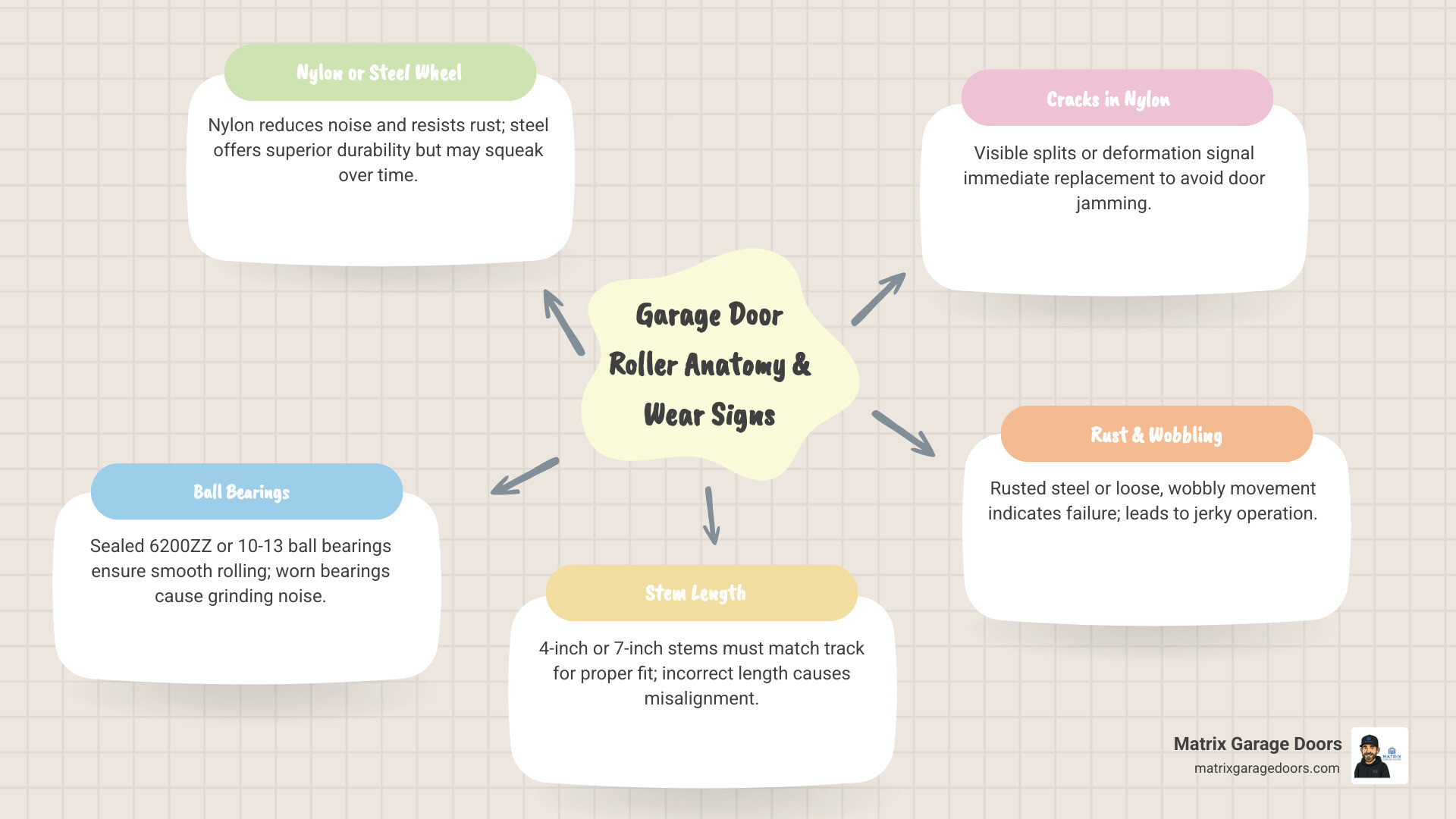
A noisy or shaky garage door isn’t just annoying—it’s often a sign that your rollers are worn out. Rollers support your door’s weight as it glides up and down the tracks dozens of times each week. When they wear down, you’ll hear grinding sounds, feel jerky movement, or notice the door struggling to open smoothly. Cracked nylon wheels, rusted steel components, or wobbly rollers all signal it’s time for replacement.
The good news? Replacing most garage door rollers is a straightforward DIY project that takes basic tools and about an hour of your time. You’ll need a socket wrench, screwdriver, locking pliers, and safety gear. The process involves removing old rollers one at a time while keeping the door stable and secured.
Important safety note: Bottom rollers—the ones attached to the bottom brackets just inches off the ground—are under extreme tension from your garage door’s spring system. These should always be handled by professionals. Attempting to remove them yourself can result in serious injury or door damage.
I’m Andrew Hopson, and I’ve guided countless Columbus homeowners through garage door roller replacement and maintenance as part of our comprehensive repair services at Matrix Garage Doors. My experience has shown that catching worn rollers early prevents bigger problems like track damage, opener strain, and sudden door failures.
Understanding Roller Types, Sizes, and Lifespan
Before you head to the store or browse online, it is essential to understand that not all rollers are created equal. In fact, choosing the wrong type can lead to a noisier door or a replacement project that you have to repeat much sooner than expected. At Matrix Garage Doors, we often see homeowners overwhelmed by the sheer variety of hardware available.
| Feature | Plastic Rollers | Steel Rollers | Nylon Rollers |
|---|---|---|---|
| Lifespan | 2-5 Years | 10-15 Years | 12-20 Years |
| Noise Level | Moderate | High (Metal on Metal) | Low (Ultra-Quiet) |
| Maintenance | Low | High (Needs Oil) | Low (Sealed Bearings) |
| Durability | Low | High | Very High |
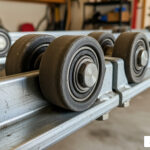
Nylon rollers are widely considered the gold standard for residential homes in areas like Dublin OH and Westerville OH. They offer the quietest operation because the nylon wheel absorbs vibration rather than echoing it through the metal track. Premium nylon rollers, such as the DURA-LIFT Ultra-Life Max (which boasts a 4.8/5 star rating from hundreds of users), often feature 6200ZZ bearings. These are sealed precision bearings that keep out dust and grime, allowing for a much higher cycle count—sometimes rated for over 100,000 cycles!
Steel rollers are robust and can handle the heaviest of doors, but they are significantly noisier. They typically use a 10-ball or 13-ball bearing system. While durable, they are prone to rust if not maintained properly, especially in the humid Ohio summers. If you have a massive commercial door, steel might be necessary, but for most residential garage door repairs, nylon is the way to go.
Identifying the Correct Roller Size and Stem Length
To ensure a successful garage door roller replacement, you need to measure your existing hardware. Most residential tracks are 2 inches wide, which means you need a roller with a wheel diameter of approximately 1-7/8 inches. If you have a heavy-duty or commercial door, you might encounter 3-inch tracks requiring larger rollers.
The stem length is the metal rod that slides into the hinge.
- 4-inch stems are the standard for most residential doors.
- 7-inch stems (or longer) are often used for heavier double-wide doors or specialized commercial applications to provide more stability within the hinge.
Always measure the diameter of the wheel and the length of the stem before ordering. Using a stem that is too short can cause the roller to pop out of the hinge, leading to a dangerous door collapse.
Choosing Between Nylon and Steel Rollers
If your garage is attached to your house—perhaps near a bedroom or living area in Hilliard OH—nylon is your best friend. The reduction in friction levels is immediately noticeable. Unlike steel, nylon doesn’t rust, making it ideal for the “slushy” winter months when salt and water are tracked into the garage.
While steel rollers are often cheaper upfront, the long-term value of nylon (which can last up to 20 years) usually outweighs the initial savings. For more insights on choosing high-quality hardware, you can get savings and tips on the Home Depot blog.
Essential Preparation and Safety for Garage Door Roller Replacement
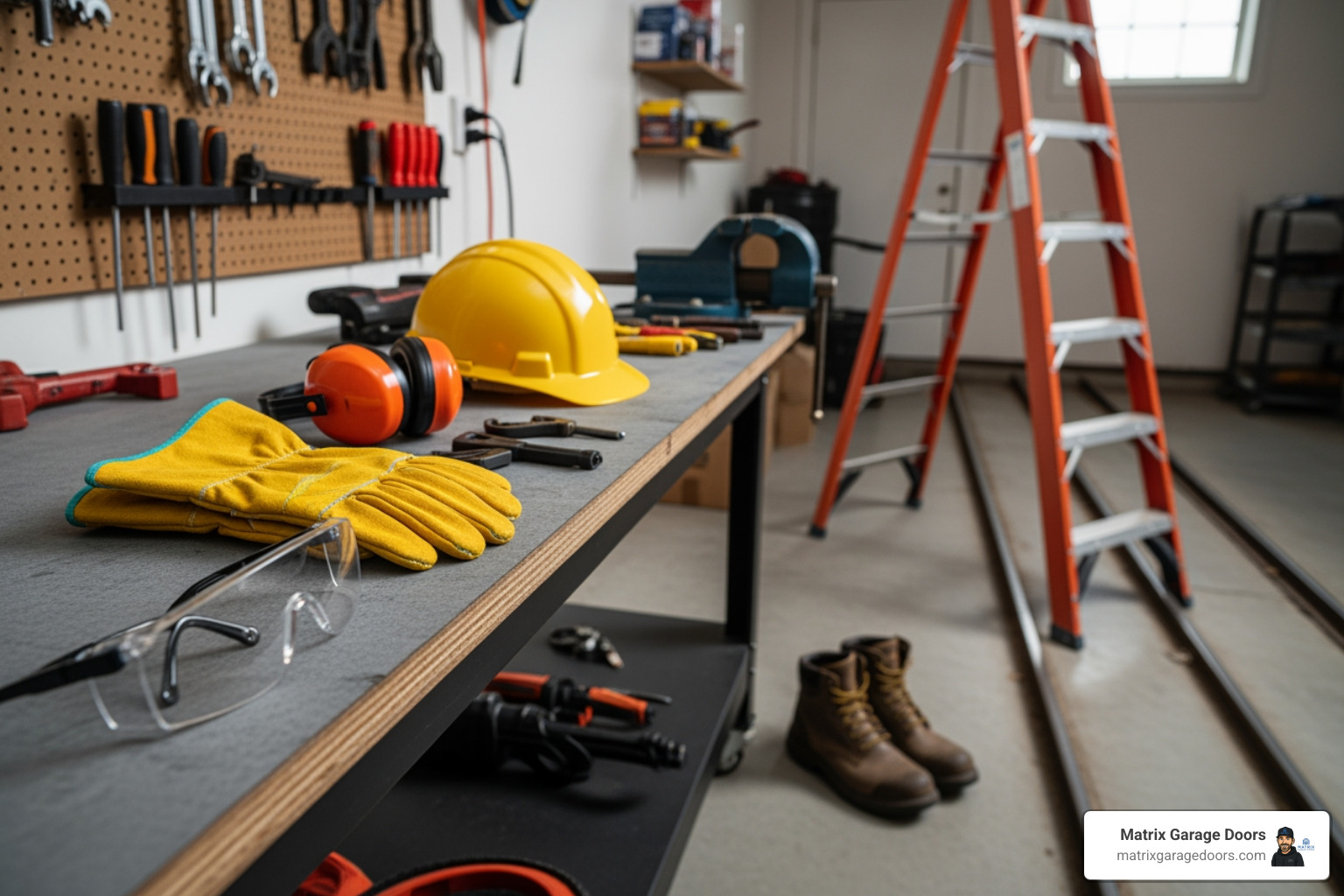
Preparation is the difference between a smooth afternoon project and an emergency call to a technician. You wouldn’t try to change a car tire without a jack, and you shouldn’t touch your garage door without the right safety gear.
Safety Precautions Before Starting
The most important thing to remember is that your garage door is a heavy object held under intense spring tension. The cables and bottom brackets are the “danger zones.”
- Never loosen the bolts on the bottom roller brackets.
- Disconnect power to the opener to prevent someone from accidentally activating the door while your fingers are near the tracks.
- Wear safety glasses and work gloves. Metal shards or old grease can easily cause injury.
For a comprehensive look at how to keep your door in top shape safely, check out our Annual Garage Door Service Guide. You can also follow for more DIY tips to see visual guides on safety.
How to Disconnect the Opener and Secure the Door
First, pull the emergency release cord (the red handle) to disconnect the door from the opener carriage. This allows you to move the door manually.
Next, raise the door to a comfortable working height—usually about waist-high—and secure it. Place locking pliers (vice grips) on the track directly underneath the bottom roller on both sides. This acts as a physical block, ensuring the door cannot move or fall while you are working on the hinges. Door stability is paramount here; if the door is crooked or unbalanced, stop immediately and call a professional.
Step-by-Step Guide to Replacing Your Garage Door Rollers
Now that the door is secured and you have your new 10-pack of high-cycle rollers ready, it’s time to get to work. We recommend the “one-at-a-time” method to ensure the door remains aligned throughout the process.
Replacing Top and Middle Rollers
The top and middle rollers are generally the easiest to replace because they are not under spring tension.
- Unscrew the bracket: Use your socket wrench to remove the bolts holding the hinge to the door.
- Tilt and Remove: Once the hinge is free, tilt it toward you. This should pull the roller out of the track. Slide the old roller out of the hinge sleeve.
- Insert New Roller: Slide the stem of your new nylon or steel roller into the hinge.
- Re-align: Angle the roller wheel back into the track and align the hinge holes with the original holes in the door.
- Secure: Tighten the bolts back into place. Move to the next hinge and repeat.
If you find that your tracks are dirty or the door is still a bit stiff, you might consider a professional garage door lubrication service to ensure everything is moving as it should.
The Critical Process for Bottom Roller Replacement
We cannot stress this enough: The bottom rollers are dangerous. They are attached to the cables that connect directly to the high-tension springs. If you must replace them yourself, some experts suggest the “track bending” technique, but this carries significant risks.
The “track bending” method involves using a hammer to slightly bend the lip of the track outward at a specific point, allowing the roller to pop out without unscrewing the bracket. Once the new roller is in, you bend the track back. However, if you hit the roller or deform the track too much, the door will jam.
Because of the risk of the door cocking, jamming, or falling—which can cause serious injury or even death—we strongly advise against DIY bottom roller replacement. For more on the difference between a DIY fix and when to call in the experts, read our guide on Squeaky Garage Door Fix How to Quiet a Noisy Garage Door and When to Call a Pro.
Maintenance Tips to Extend the Life of New Rollers
Once your garage door roller replacement is complete, you want those new parts to last as long as possible. A little bit of preventative care goes a long way in the Columbus climate.
- Lubricate every 6 months: Use a silicone-based lubricant or lithium grease. Never use WD-40, as it is a degreaser that will actually strip away the necessary lubrication from the bearings.
- Clean the tracks: Use a damp rag to wipe out the inside of the tracks. Dust and hair can get caught in the rollers, creating “flat spots” on nylon wheels.
- Tighten Hardware: The vibrations of the door opening and closing can loosen the nuts and bolts on your hinges over time. Give them a quick check once a year.
- Visual Inspections: Every few months, watch your door as it operates. If you see a roller sliding rather than spinning, it’s likely stuck and needs attention.
For more detailed strategies, see The Ultimate Guide to Preventative Garage Door Care.
Frequently Asked Questions about Garage Door Roller Replacement
How often should I perform a garage door roller replacement?
Generally, rollers should be replaced every 5-7 years. However, this depends on usage. If you live in a busy household in Grove City OH where the door opens 10 times a day, you might need a replacement sooner. High-cycle nylon rollers with sealed bearings can last significantly longer, often up to 15-20 years.
Can I perform a garage door roller replacement myself?
Yes, for the top and middle rollers, it is a very manageable DIY task. However, the bottom brackets are a different story. Because they are under tension from the torsion or extension springs, they are much more complex and dangerous. If you don’t have experience with high-tension cables, it’s safer to hire a pro.
What are the signs that my rollers are worn out?
Look for:
- Grinding or screeching noises during operation.
- Wobbly wheels that seem to vibrate in the track.
- Cracked or chipped nylon on the outer wheel.
- Visible rust on the stem or bearings of steel rollers.
- Jerky movements or a door that seems to “stutter” as it rises.
Conclusion
A quiet, smooth-running garage door is more than just a convenience; it’s a sign that your entire system is healthy. By performing a garage door roller replacement, you protect your tracks from wear, reduce the strain on your opener, and ensure your home stays secure.
If you’ve replaced your rollers and the door is still misaligned, or if you’re uncomfortable dealing with those high-tension bottom brackets, we are here to help. Matrix Garage Doors serves the entire Columbus area, from Powell OH to Pickerington OH. We bring twenty years of family-owned experience to every job, ensuring your door is safe and silent.
Contact us for expert Garage Door Repair in Columbus OH and let us take the stress out of your garage door maintenance!