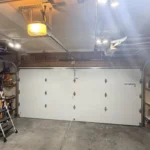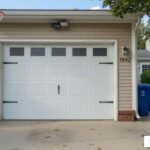
Garage Door Stuck Closed: 5 Quick Fixes
When Your Garage Door Stuck Closed, Every Minute Counts
A garage door stuck closed is one of the most frustrating problems a homeowner can face. Your car is trapped, you’re late for work, and you’re staring at a door that simply won’t budge. According to industry research, 55% of homeowners use the garage door as the main entrance into their home, which means a stuck door doesn’t just trap your vehicle—it blocks your primary access point.
Quick Troubleshooting Checklist:
- Check the power – Ensure the opener is plugged in and the circuit breaker hasn’t tripped
- Test the remote – Replace batteries and try the wall switch
- Look for obstructions – Check tracks, sensors, and the door’s path
- Check the lock – Ensure the manual lock or lock button isn’t engaged
- Listen for noises – A loud pop may indicate a broken spring
- Try manual operation – Pull the red emergency release cord (if door is fully closed)
The good news? Many stuck garage door issues can be diagnosed and sometimes even fixed by homeowners with basic troubleshooting. The key is knowing what to check, understanding when a problem is beyond DIY repair, and recognizing the safety risks of working with doors that typically weigh between 150 to 250 pounds.
This guide walks you through a systematic approach to diagnosing why your garage door won’t open, from simple five-minute checks to understanding complex mechanical failures. We’ll cover everything from power outages and frozen doors to broken springs and stripped gears, empowering you to make informed decisions about whether to grab your toolbox or call a professional.
I’m Andrew Hopson. With years of experience in residential garage door repair in the Columbus area, I’ve seen every reason a garage door gets stuck. I’m here to guide you through troubleshooting the problem.
Initial Diagnostics: 5-Minute Checks for a Stuck Garage Door
When your garage door refuses to cooperate, the first step is often the simplest: a quick check of the obvious culprits. Many times, a garage door stuck closed can be resolved with just a few minutes of detective work. Our goal here is to rule out the easiest-to-fix problems before we dig into more complex issues.
Checking Power and Remotes
First, let’s make sure your garage door opener is getting power and responding to your commands.
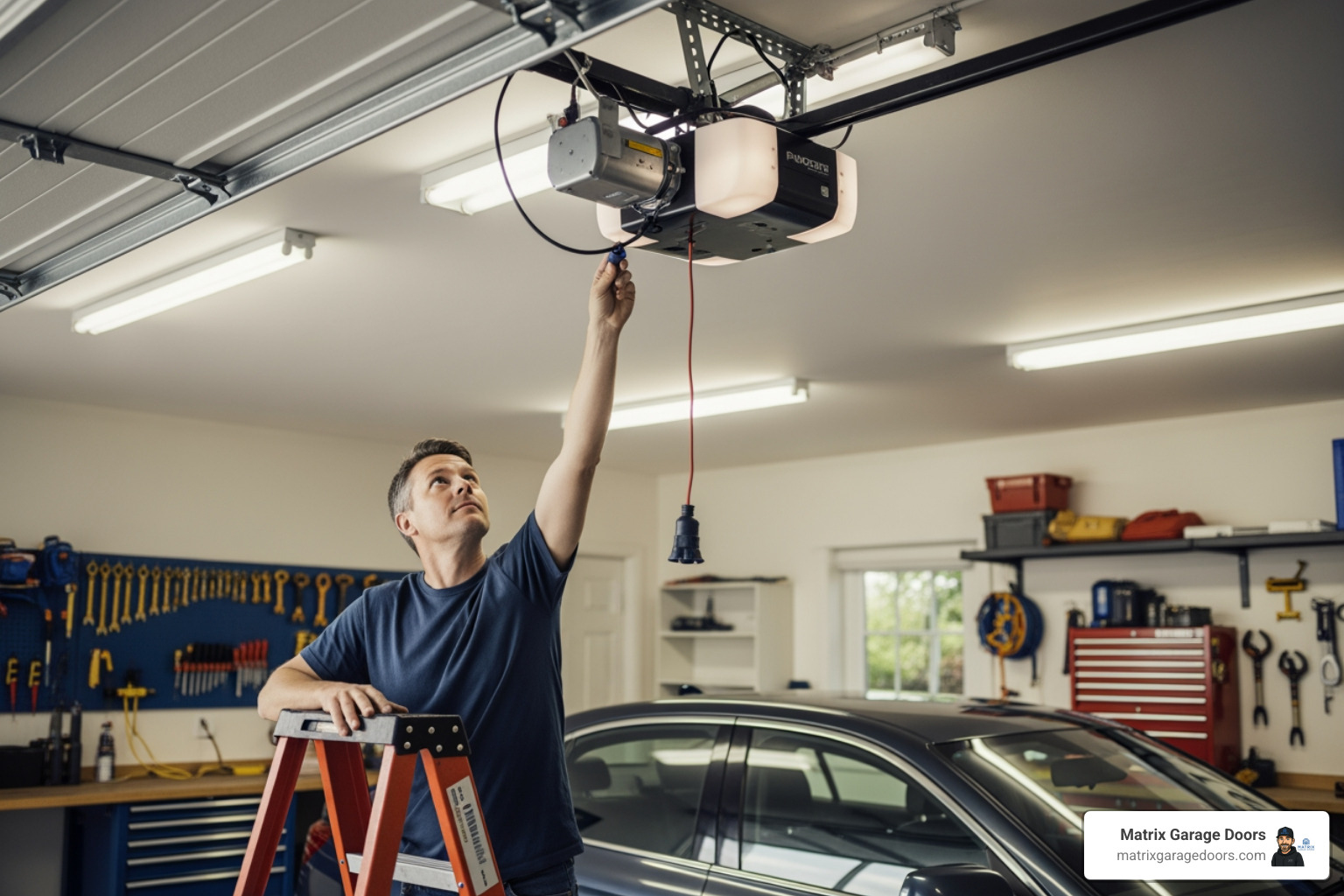
- Is the Opener Plugged In? Check that the motor unit is firmly plugged into a working outlet. Test the outlet with another small appliance. If there’s no power, check for a tripped circuit breaker.
- Tripped Circuit Breaker? Go to your electrical panel and look for a tripped breaker. Flip it completely off, then back on. If the opener uses a GFCI (Ground Fault Circuit Interrupter) outlet, press the reset button.
- Dead Remote Batteries. Replace the batteries in your garage door remote and wireless keypad. Remote batteries typically last around five years but can drain faster with heavy use or in cold weather.
- Wall Switch Test. If the remote isn’t working, try the wall-mounted control panel. If the wall switch works but the remote doesn’t, it’s a remote issue. If neither works, the problem is likely with the opener unit or its power supply.
- Lock Button Engaged? Many wall panels have a “lock” or “vacation” button. This feature locks out all radio signals, preventing remotes from working. If your garage door is stuck closed and unresponsive, look for an illuminated lock light on the wall panel and press the button to disengage it.
- Reprogramming Remotes. If new batteries and the lock button aren’t the issue, your remote may have lost its sync with the opener. Consult your owner’s manual to reprogram it, as the process varies by brand.
Inspecting for Physical Obstructions
If your opener has power and your remotes seem fine, it’s time to inspect the door itself.
- Manual Lock Engaged. Many doors have a manual slide lock on the inside. If engaged, the opener cannot lift the door and may be damaged if you try. Ensure any manual locks are fully disengaged.
- Debris in Tracks. Inspect the metal tracks on both sides for debris like pebbles, dirt, or leaves. Even small items can cause the door to bind. Clear any obstructions.
- Items Blocking the Door Path. Scan the door’s path inside and out for fallen tools, toys, or boxes that might be blocking it.
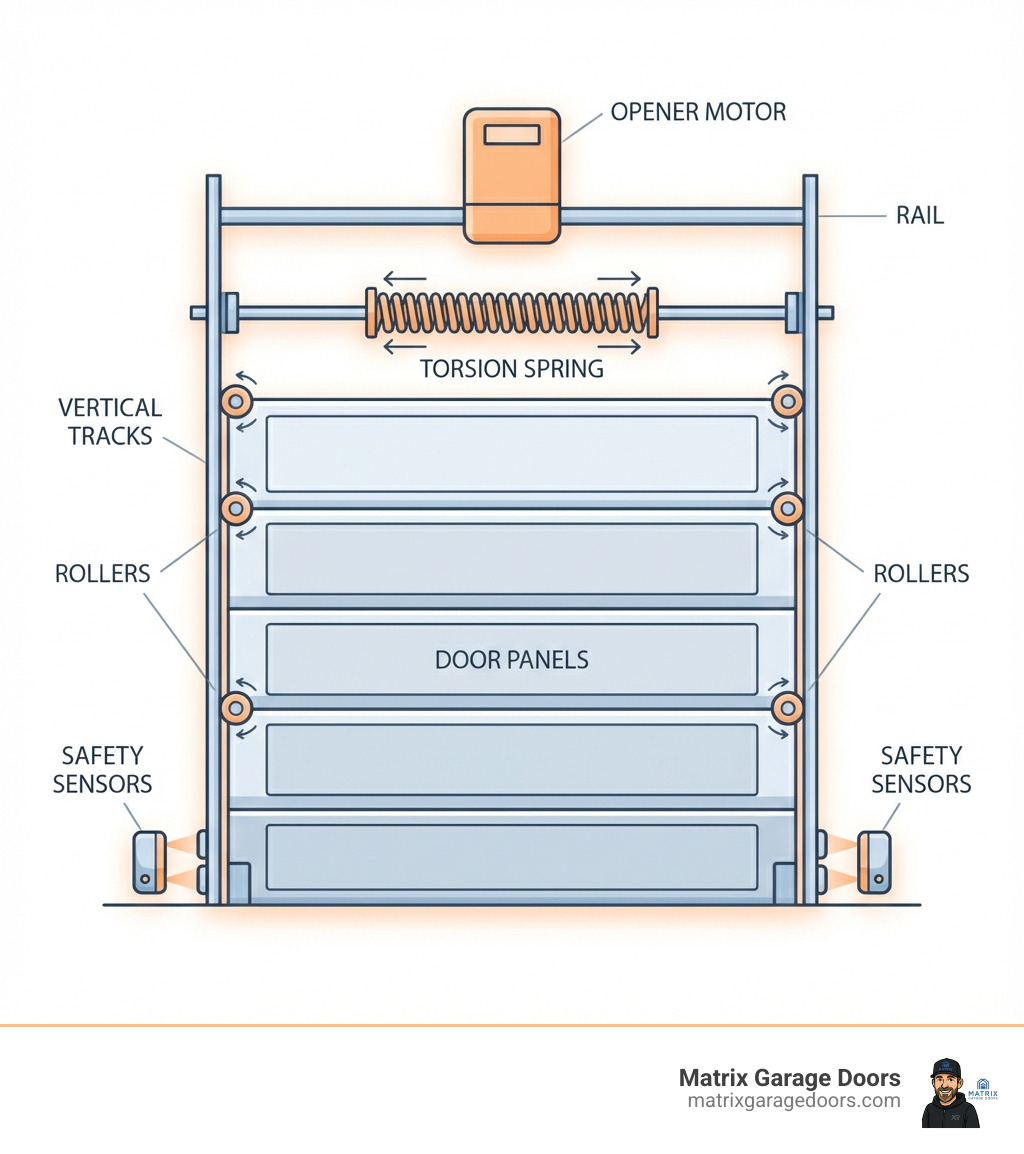
- Misaligned Safety Sensors. The safety sensors are small electronic “eyes” near the floor on each side of the door. They project an invisible beam, and if it’s broken, the door won’t close. If your garage door is stuck closed (or won’t close), these sensors are a common culprit. They can get dirty, misaligned, or have damaged wiring.
- Cleaning Sensor Lenses. Wipe the sensor lenses with a soft cloth. Dust or cobwebs can block the beam. Check that the indicator lights on both sensors are solid. A blinking light means they are misaligned. Gently adjust them until both lights are steady.
Why Your Garage Door is Stuck Closed: A Deeper Dive
If initial checks fail, the cause of your garage door stuck closed may be a mechanical, electrical, or environmental issue. These doors weigh 150 to 250 pounds, and the forces are significant. Understanding the cause helps you decide whether to DIY or call a pro.
Mechanical Failures Leading to a Garage Door Stuck Closed
Mechanical parts work together to move the heavy door. If one fails, the system stops.
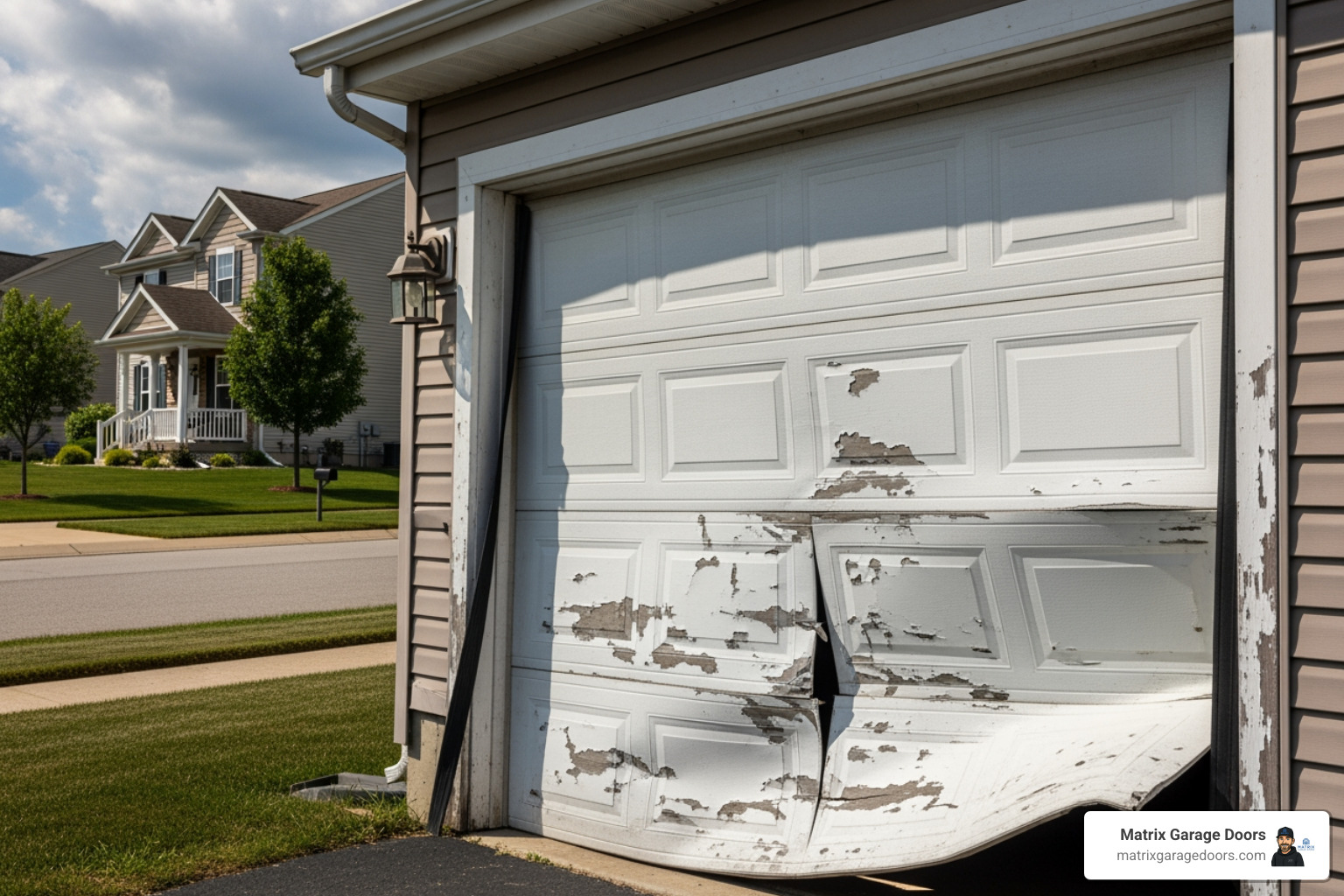
- Broken Torsion Springs. Broken torsion springs are a common reason for a garage door stuck closed. These large springs are on a shaft above the door and counterbalance its weight. A broken spring often makes a loud “bang” and makes the door too heavy for the opener to lift. They typically last about 15,000 cycles.
- Broken Extension Springs. Extension springs run along the sides of the horizontal tracks and also counterbalance the door’s weight. When one breaks, the door becomes very heavy, and you may see a visible gap in the spring. They last about 10,000 cycles.
- Snapped or Loose Cables. Cables connect the springs’ lifting force to the bottom of the door. A snapped, frayed, or loose cable will make the door unbalanced and jam it in the tracks. This is a serious hazard requiring professional repair.
- Damaged or Misaligned Tracks. Metal tracks guide the door’s rollers. If bent, dented, or misaligned, the rollers can bind, and the door will get stuck. Inspect the tracks for damage.
- Worn-Out Rollers. Rollers are the wheels in the tracks. They can wear out, crack, or seize, causing the door to move unevenly or get stuck. They usually need replacement every 10-15 years.
| Feature | Torsion Springs | Extension Springs |
|---|---|---|
| Location | Mounted horizontally above the garage door | Mounted on either side of the horizontal tracks |
| Lifespan | ~15,000 cycles (average 7 years) | ~10,000 cycles |
| Safety | Generally safer as they are contained on a shaft | Less contained, can fly if they break without safety cables |
| Operation | Wind and unwind to create torque | Stretch and contract to provide lift |
| Cost | Typically more expensive to replace | Generally less expensive to replace |
Electrical Gremlins Causing a Garage Door Stuck Closed
Electrical system failures can also leave your garage door stuck closed, even if mechanical parts are fine.
- Opener Motor Malfunction. If the motor hums but the door won’t move, the issue could be the motor or drive system, possibly a stripped gear or disconnected drive.
- Stripped Gears. Many openers have nylon gears designed to fail under stress to protect the door. If the motor runs but the chain doesn’t move, or you see plastic shavings, the gear is likely stripped.
- Faulty Logic Board. The logic board is the opener’s “brain.” A faulty board can cause erratic behavior or a complete shutdown. Failures can be due to age or power surges. We recommend using a surge protector for your opener.
- Misaligned or Dirty Safety Sensors. Dirty or misaligned safety sensors will activate the safety system, preventing the door from moving and leaving your garage door stuck closed.
- Incorrect Travel Limit Settings. Incorrect travel limit settings tell the opener to stop at the wrong position. This can leave the door partially open or closed and may require adjustment.
- Power Surges. Power surges can also disrupt the opener’s memory, causing it to stop working or behave erratically.
For complex electrical issues or if you’re considering upgrading your system, we can help with More info about Garage Door Opener Installation.
Environmental Factors and Simple Oversights
Sometimes, the cause is environmental or a simple oversight.
- Door Frozen to the Ground. In Columbus winters, ice can freeze the door to the ground. The opener may strain or stop, leaving the garage door stuck closed.
- Ice and Snow Buildup. Ice and snow can also block tracks, rollers, and safety sensors.
- Metal Contraction in Cold. Extreme cold causes metal parts to contract, which can increase friction and make the door harder to operate.
- Thickened Lubricant. Lubricant can thicken in the cold, increasing resistance. Use a cold-weather-compatible lubricant for winter maintenance.
- Disengaged Trolley from Emergency Cord. The emergency release cord disengages the door from the opener. If pulled by accident, the opener will run but the door won’t move. To re-engage, pull the cord until it clicks, then run the opener to reconnect it.
The Manual Override: How to Safely Open Your Garage Door
If troubleshooting fails or the power is out, you’ll need to open your garage door stuck closed manually. This is essential if your car is trapped, but safety is critical because garage doors are heavy and under tension.
Step-by-Step: Manually Opening the Door
- Ensure Door is Fully Closed. Crucially, only disengage the opener when the door is fully closed. Pulling the release on a partially open door can cause it to crash down, risking severe injury or damage.
- Unplug the Garage Door Opener. Unplug the garage door opener to prevent it from accidentally starting while you work.
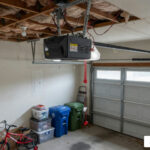
- Locate the Red Emergency Release Cord. This red cord hangs from the trolley on the opener rail.
- Pull the Cord to Disengage the Trolley. Pull the cord down and back towards the motor until you hear it click. This disengages the door from the opener, allowing manual operation.
- Carefully Lift the Door by Hand. With the door disengaged, lift it slowly by hand from the bottom. If the springs are balanced, it should feel relatively light. Lift it until it is fully open.
- Secure the Door in the Open Position. A balanced door will stay open on its own. If it feels heavy or won’t stay up, a spring is likely broken. Prop it open securely or have a helper hold it.
Safety Precautions for Manual Operation
Working with a garage door manually requires caution. Please keep these safety tips in mind:
- Never Pull the Cord with the Door Open: We can’t stress this enough. If you pull the emergency release when the door is open, it can fall rapidly, causing serious injury. Only disengage when the door is fully closed.
- Lift with Your Legs, Not Your Back: Lift with your legs, not your back, to avoid strain.
- Have a Helper if the Door is Heavy: If the door feels very heavy, a spring is likely broken. Do not lift it alone. Get help or call a professional.
- Be Aware of Broken Springs: Be extra cautious if you suspect a broken spring. The door is dangerous to move.
- Do Not Stand Under the Door: Stay clear of the door’s path when moving it manually in case it falls.
Know When to Fold ‘Em: DIY Dangers and When to Call for Garage Door Repair Services
While simple troubleshooting is fine, some red flags mean you should call an expert. Attempting dangerous DIY repairs for a garage door stuck closed can lead to injury and costlier damage. We’re here to help our neighbors in Columbus, Bexley, Dublin, Westerville, and all our service areas with prompt, professional service.
Here’s when to put down the tools and pick up the phone:
- Loud Popping or Grinding Noises: A loud “bang” usually indicates a broken high-tension spring. Grinding noises point to severe mechanical problems. These are not DIY fixes.
- Visible Broken Springs or Cables: If you see a broken spring or a frayed/snapped cable, stop. These parts are under extreme tension and handling them without proper training and tools can be fatal. This repair is for professionals only.
- Door Is Off-Track: Do not try to force an off-track door back. This can cause more damage and create a dangerous situation. It requires professional realignment.
- Door Feels Extremely Heavy: If the door feels extremely heavy to lift manually (a balanced door requires about 20 pounds of force), the spring system has failed. Do not try to lift it.
- Opener Motor Runs But Door Doesn’t Move: This often indicates a stripped gear, disconnected drive, or broken spring. Replacing internal opener parts can be complex and is best left to a technician.
- Electrical or Wiring Problems: For suspected issues with the logic board, wiring, or other electrical components, call a professional.
- Persistent Problems: If basic troubleshooting doesn’t fix the problem permanently, a professional diagnosis is needed to find the underlying cause.
The dangers of DIY repairs are significant, including injuries from high-tension springs and falling doors. The average garage door repair cost ranges between $150 and $360, which is a small price for safety compared to potential medical bills or property damage.
Proactive Care: Your Guide to Preventing Future Jams
Regular maintenance can prevent a garage door stuck closed and extend your system’s life. We encourage our customers in Grove City, Hilliard, Reynoldsburg, and beyond to be proactive with garage door care.
Here’s how you can keep your garage door running smoothly:
- Regular Visual Inspection: Once a month, visually inspect your door for wear and tear:
- Springs: Are there any gaps or visible damage?
- Cables: Are they frayed, loose, or out of their drums?
- Rollers: Are they cracked, chipped, or binding in the tracks?
- Tracks: Are they bent, dented, or obstructed?
- Hardware: Are all nuts, bolts, and screws tight?
- Door Panels: Are there any signs of warping or damage?
- Lubrication of Moving Parts: Twice a year, lubricate moving parts with a silicone-based or lithium-based garage door lubricant for smooth operation. Apply to:
- Rollers: Lubricate the bearings and stems, but avoid the roller wheels themselves if they are plastic.
- Hinges: Lubricate the pivot points.
- Springs: Lightly spray torsion and extension springs.
- Never lubricate the tracks. Tracks should be kept clean and dry.
- Testing Safety Features:
- Safety Sensors: Test safety sensors monthly by placing an object in the door’s path to ensure it reverses. Clean the lenses regularly.
- Reversal Mechanism: Test the reversal mechanism by closing the door on a 2×4 laid flat. It should reverse on contact. If it doesn’t, the force settings need professional adjustment.
- Track Cleaning: Wipe tracks with a damp cloth to keep them clean of dirt and debris, then dry them.
- Check Door Balance: Check door balance by disengaging the opener (with the door closed) and lifting it halfway. It should stay put. If it moves, the springs need professional adjustment.
- Remote Battery Replacement: Replace remote and keypad batteries every few years or when you notice reduced range.
For more in-depth advice and a detailed schedule, check out our More info about Garage Door Maintenance Tips.
Frequently Asked Questions about Stuck Garage Doors
Why is my garage door so heavy to lift manually?
A door feels heavy to lift manually when a spring is broken. Springs counterbalance the door’s weight, so a balanced door should only require about 20 lbs of force to lift. If it’s much heavier, a spring has failed, and the opener cannot lift the door’s full weight.
Is it safe to repair a broken garage door spring myself?
No. Garage door springs are under extreme tension and can cause severe injury or death if handled improperly. Replacing them requires special tools and training to manage the stored energy safely. This repair should always be left to a trained professional.
What should I do if my garage door is frozen to the ground?
Never force the opener on a frozen door, as this can damage the opener or door panels. Gently remove ice from the base of the door. You can pour warm (not boiling) water along the bottom seal to help melt it. Clear away the water to prevent refreezing. If the door still won’t open, call a professional.
Get Your Garage Door Moving Again
We understand that a garage door stuck closed can disrupt your day. We hope this guide helps you diagnose and troubleshoot common issues, from power sources to sensors.
However, safety is paramount. For complex issues like broken springs, cables, or electrical problems, it’s crucial to call a professional. Your safety, and the longevity of your garage door system, are our top priorities.
Here at Matrix Garage Doors, we’re a family-owned company dedicated to providing prompt, professional, and reliable garage door repair, installation, and maintenance services throughout Columbus, OH, and surrounding areas like Westerville, Dublin, New Albany, and Powell. With two decades of experience, our expert technicians are equipped to handle any garage door challenge, big or small.
For reliable and prompt service in the Columbus area, trust our experienced technicians to get the job done right. Schedule your Garage Door Repair in Columbus, OH today!