Spring Cable Garage Door: Expert Safety Tips 2025
Why Spring Cable Garage Door Safety Matters
Spring cable garage door systems rely on cables to safely counterbalance the weight of your door—often 150 to 300 pounds. Here’s what you need to know about garage door cables:
- Lifting Cables: Transfer energy from springs to lift and lower the door smoothly
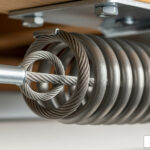
- Safety Cables: Thread through extension springs to contain broken spring pieces and prevent injury
- Emergency Release Cable: Allows manual operation during power outages
- Common Issues: Fraying, rust, broken strands, or complete cable failure can cause uneven door movement or dangerous malfunctions
When a garage door cable breaks, you’ll often see a loose wire hanging beside the door, or the door will raise and lower unevenly. If the extension spring breaks without a safety cable in place, the pieces can whip around and cause grave bodily harm or property damage.
Safety cables are your garage door’s most important—and most overlooked—safety feature. They’re the thin steel cables that thread through your extension springs, and they’re designed to do one critical job: contain broken spring pieces before they become dangerous projectiles. Without them, a broken extension spring can fly across your garage with enough force to dent a car, shatter glass, or seriously injure someone.
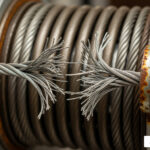
Many homeowners don’t realize their safety cables are missing, damaged, or improperly installed until it’s too late. The most common signs you’ll see are frayed wires, broken or separated strands, rusting, and oxidation around the cable drum and pulleys.
I’m Andrew Hopson, and I’ve spent years helping Columbus-area homeowners maintain safe, reliable spring cable garage door systems through proper installation and preventive maintenance. In this guide, I’ll walk you through the process of installing safety cables correctly, so you can protect your family and property from one of the most common—and most preventable—garage door hazards.
Explore more about spring cable garage door:
Understanding Your Spring Cable Garage Door System
At the heart of your garage door’s operation are the springs and cables, which work together to counterbalance the door’s significant weight (150-300 pounds). The cables transfer energy from the springs, allowing the door to move smoothly. A well-functioning spring cable garage door system ensures proper balance, making the door feel light and easy to operate.
The Different Types of Garage Door Cables
Garage door cables serve different purposes within the spring cable garage door system. They are typically made from woven strands of galvanized steel for strength. The main types include:
- Torsion Spring Cables: For doors with a torsion spring mounted above the door. These cables connect the door’s bottom corners to cable drums on the torsion bar, lifting the door as the spring unwinds.
- Extension Spring Cables: Used with springs that run along the horizontal tracks. These cables connect the bottom of the door to the extension springs via a pulley system.
- Safety Retaining Cables: A crucial safety feature for extension spring systems. These cables run through the center of the springs. If a spring breaks, the safety cable contains it, preventing it from becoming a dangerous projectile. This guide focuses on installing these cables.
- Emergency Release Cable: The red cord hanging from your opener. It disengages the opener, allowing you to operate the door manually during a power outage.
Understanding these different cables helps us appreciate the intricate design of our garage doors and highlights why maintaining each component is essential for safe and reliable operation. For more information on how we can help with your garage door needs, check out our Garage Door Services.
How Extension Spring and Safety Cables Work
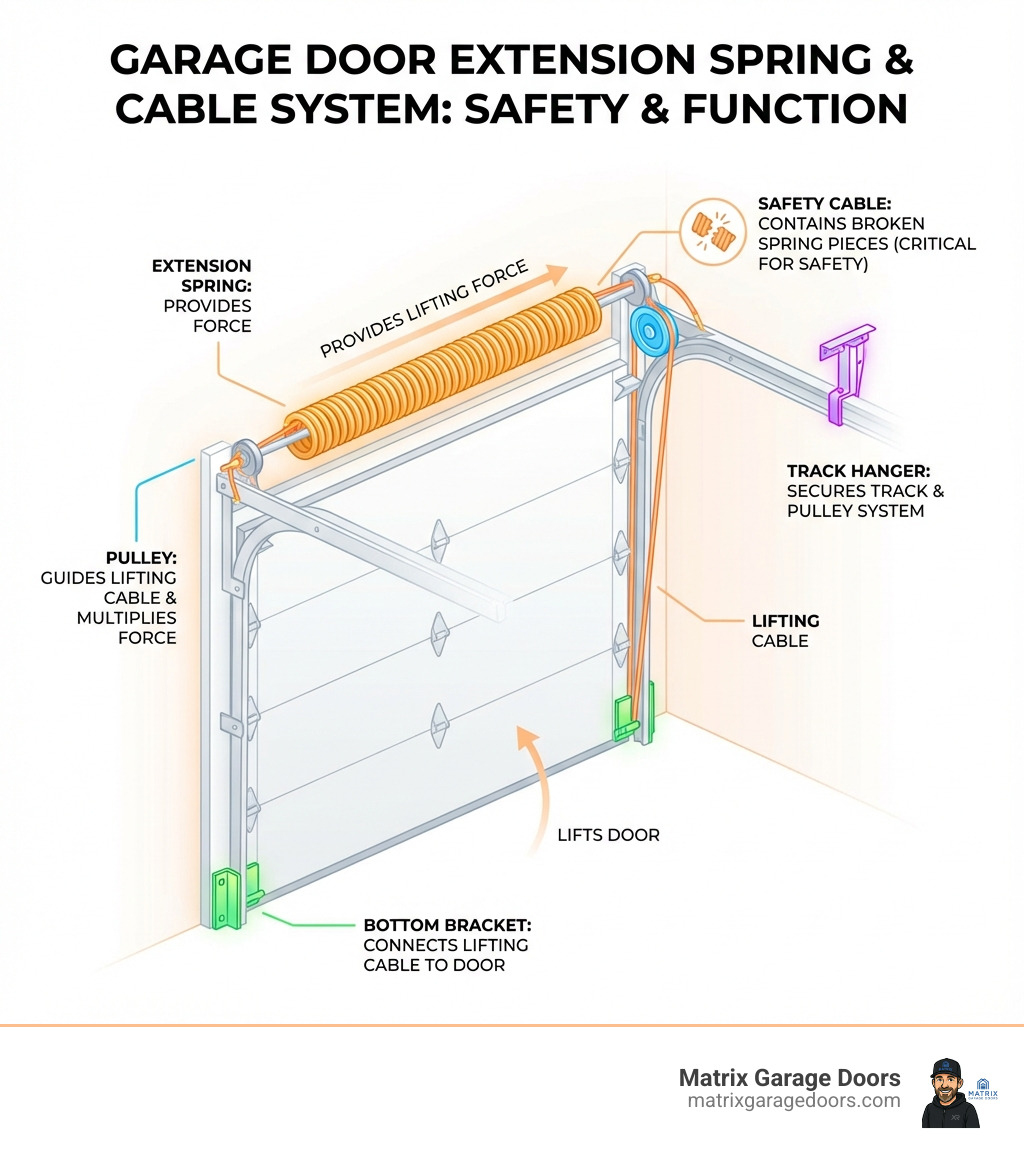
Many homes in the Columbus area use extension spring systems. These springs run along the horizontal tracks on each side of the door. When the door is closed, the springs are stretched, storing energy. As the door opens, they contract, releasing that energy to help lift the door’s weight. The extension spring cables connect the bottom of the door to these springs via a pulley, facilitating this controlled movement.
While extension springs do the heavy lifting, they are under extreme tension and can snap violently when they break. This is where safety cables become essential. A safety cable is a thin wire threaded through the center of each extension spring and secured at both ends. If a spring breaks, the safety cable contains the broken pieces, preventing them from flying across your garage and causing serious injury or property damage. Common issues with this system include frayed, rusted, or kinked cables, which compromise their integrity and require attention.
Before You Begin: Safety, Tools, and Inspection
Before starting, understand that safety is paramount. Spring cable garage door systems are under high tension, and improper handling can lead to serious injury. If you are ever unsure, please call a professional.
Risks of DIY Garage Door Spring and Cable Repair:
- High Spring Tension: Springs store immense energy and can snap violently if released improperly, launching parts as dangerous projectiles.
- Damaged Cable Risks: A broken cable unbalances the door, which can cause it to fall unexpectedly during repair.
- Uneven Door: A damaged cable or spring creates an uneven, unpredictable, and dangerous door.
- Door Falling: An unsecured door can crash down, causing severe injury or property damage.
Due to these dangers, we urge caution. If you’re uncomfortable with any step, call a professional from Matrix Garage Doors for help in Columbus, New Albany, and surrounding areas.
Signs Your Cables Need Replacement
Perform monthly visual checks to catch wear early and prevent dangerous failures. Here are key signs your spring cable garage door cables need replacement:
- Frayed Wires: Individual wire strands are breaking away from the main cable, especially near pulleys or drums.
- Broken Strands: Several broken strands indicate the cable is severely weakened and likely to snap.
- Rusting and Corrosion: Rust weakens the metal, making it brittle. Look for discoloration or flaking.
- Kinking: Kinks or sharp bends in the cable create weak points that can lead to failure.
- Loose Hanging Wire: A loose wire beside the door usually means a lifting cable has already snapped.
- Uneven Door Movement: A door that lifts or lowers unevenly suggests a cable has broken or slipped off its track.
As our colleagues at Clopay advise, it’s always best to “Inspect the cables, especially around the cable drum, for signs of fraying, rust, or kinking. If damaged, it’s best to call a professional to avoid further issues or injury.“
Tools and Materials Needed
Before you begin, gather all the necessary tools and materials. Having everything at hand will make the process smoother and safer.

Here’s what we recommend:
- C-clamps or Locking Pliers: Absolutely essential for securing the garage door in the fully open position. We recommend at least two, one for each side of the door.
- Socket Wrench Set: You’ll need this for loosening and tightening bolts on the track hangers or other securing points.
- Work Gloves: Protect your hands from sharp edges and debris.
- Safety Glasses: Non-negotiable. Always protect your eyes from flying debris or snapping components.
- Sturdy Ladder: For safe access to the upper parts of the garage door system.
- Replacement Safety Cables: Ensure you have the correct length and diameter for your door.
- Replacement Extension Springs (Optional but Recommended): If your springs are old or broken, it’s often a good idea to replace them along with the safety cables, as they typically wear out around the same time.
While winding bars are crucial for adjusting torsion springs, they are generally not needed for installing safety cables on extension spring systems when the door is open and secured.
Choosing the Right Spring Cable Garage Door Parts
Choosing the correct replacement parts for your spring cable garage door is vital for safety and performance. Cable length and diameter depend on your door’s specifications.
Here’s what to consider:
- Door Height: Cable length is determined by door height. For standard lift doors, a general rule is door height plus 18 inches. A 7-foot door (84 inches) typically needs 102-inch cables. Measuring your old cables is the best approach.
- Lift Type: Standard, hi-lift, and vertical lift systems require different cable lengths. This guide focuses on safety cables for standard lift extension spring systems.
- Cable Diameter: Most residential cables are 1/8-inch thick, but other diameters exist for different door weights. Ensure your replacement cables match the original diameter.
Always try to match your existing cable specifications. If you’re unsure, consulting a professional in the Columbus area is the safest way to get the right parts.
How to Install Garage Door Safety Cables: A Step-by-Step Guide
Installing garage door safety cables is a critical maintenance task that can prevent serious injury and damage. While we always recommend professional assistance for any work involving garage door springs, if you are comfortable with the risks and have followed all safety precautions, here’s a step-by-step guide to help you through the process. Our focus here is on safety cables for extension spring systems.
Step 1: Secure the Door and Disconnect the Opener
This is the most crucial safety step. Do not skip or rush this.
- Open the Door Fully: Use your garage door opener to open the garage door all the way until it is resting against the horizontal tracks. This is the point where the extension springs are under the least amount of tension.
- Place C-clamps on the Track: Once the door is fully open, place two sturdy C-clamps or locking pliers on each vertical garage door track, just below the bottom roller. This will physically prevent the door from accidentally closing while you work, even if a spring were to break or a cable were to snap.
- Unplug the Garage Door Opener: Go to your garage door opener unit (usually mounted on the ceiling) and unplug it from the electrical outlet. This prevents anyone from accidentally activating the door while you are working.
- Pull the Emergency Release Cord: Locate the red emergency release cord hanging from your opener’s trolley. Pull it down and back towards the opener. This disengages the opener from the door, ensuring there’s no residual force from the opener system.
Step 2: Release Tension from the Extension Spring
Since we’re working on safety cables for extension springs, and the door is fully open and secured, the springs are at their most extended (and thus lowest tension). If you are replacing a broken spring or installing safety cables for new springs:
- Careful Handling: If a spring is broken, remove the broken pieces carefully. If the spring is intact, you’ll be threading the safety cable through it.
- Remove Old Spring (if broken/replacing): If you’re replacing a broken or worn-out extension spring, carefully unhook it from the pulley system and the track hanger. Keep an eye out for any sharp edges or sudden movements.
- Attach New Spring (if replacing): If installing new springs, attach one end of the new extension spring to the appropriate bracket on the horizontal track.
Step 3: Thread the New Safety Cable
This is where the magic happens for safety.
- Thread Through the Spring: Take one end of your new safety cable. Carefully thread it through the entire length of the extension spring. This is why safety cables are often thinner than lifting cables, to fit inside the spring coils.
- Secure to the Track Hanger: Once the cable is threaded through the spring, take the end of the safety cable that is closest to the rear of the garage (the end furthest from the door opening). Secure this end firmly to the track hanger, which is usually where the rear of the horizontal track attaches to the ceiling or wall. You may need to loop it through an existing hole or use a small clamp or bolt provided with the safety cable kit.
- Secure to the Frame/Front Track Hanger: Take the other end of the safety cable (the one closest to the front of the garage). Secure this end to a sturdy point on the garage door frame or the front track hanger, ensuring the cable is taut but not overly tight. The goal is for the cable to be a little shorter than the fully extended spring, so if the spring breaks, the cable catches it before it can recoil fully.
- Repeat for the Other Side: Perform the same steps for the extension spring and safety cable on the other side of your garage door.
Step 4: Re-engage and Test the Door
Once both safety cables are securely installed, it’s time to test your work.
- Remove Clamps: Carefully remove the C-clamps or locking pliers from both vertical tracks.
- Reconnect the Opener: Plug your garage door opener back into the electrical outlet.
- Re-engage the Door: Reconnect the emergency release trolley to the door. You might need to manually lift the door a few inches or pull the red cord again, then lift the door until it clicks into place.
- Test Door Balance: Manually open and close the door a few times. It should move smoothly and evenly. If it feels heavy or unbalanced, or moves unevenly, there might be an issue with the springs or cables that needs professional attention.
- Check for Smooth Operation: Use your garage door opener to cycle the door through a full open and close several times. Listen for any unusual noises, such as grinding or scraping, and observe for any jerky or uneven movements. If your door is making squeaky noises, our guide on Squeaky Garage Door Fix: How to Quiet a Noisy Garage Door and When to Call a Pro might be helpful.
Post-Installation: Maintenance and When to Call a Pro
Installing safety cables is a fantastic step towards a safer garage, but our job isn’t done there. Regular maintenance is key to prolonging the life of your entire spring cable garage door system and preventing future issues.
Common Issues with a Spring Cable Garage Door
Even with proper installation, cables and springs wear out. Understanding common problems can help prevent them:
- Friction: Cables fray from rubbing against pulleys and drums, especially without proper lubrication.
- Corrosion: Moisture and humidity cause rust, which weakens metal cables and springs.
- Misalignment: Misaligned tracks or improper spring tension puts uneven stress on cables, causing them to fray or snap.
- Improper Tension: Incorrect tension can cause cables to slip off their drums, making the door inoperable.
- Clogged Tracks: Debris in the tracks forces the system to work harder, increasing wear.
- Broken Springs: A broken spring puts immense, immediate strain on the cables, often causing them to fail too.
- Auto-Reverse Feature Failure: A malfunctioning safety reverse can cause cables to tangle or break.
Regular visual inspections and lubrication can significantly extend the life of your garage door parts. We offer comprehensive Garage Door Maintenance Tips to help you keep your system in top shape.
When to Call a Professional
While this guide covers safety cable installation, many situations require a professional for the safety and longevity of your spring cable garage door system. The Matrix Garage Doors team is ready to help homeowners throughout Central Ohio.
You should always call a professional if:
- You Have Torsion Spring Systems: These springs are under extreme tension and require specialized tools and expertise to service safely.
- Broken Lifting Cables: A snapped lifting cable makes the door unbalanced and dangerous. This repair requires expert re-tensioning and alignment.
- The Door is Off-Track: This indicates a complex underlying problem that can be worsened by DIY attempts.
- You’re Unsure About the Repair: If you feel uncomfortable or lack the right tools, stop and call an expert. Your safety is the priority.
- Visible Damage Beyond Simple Fraying: Significant rust, kinking, or a door that moves unevenly requires a professional assessment.
- Annual Inspections: A yearly professional check-up can catch problems early and prevent major failures.
For complex issues or high-tension repairs, our team is available 24/7 for expert garage door repairs in Columbus, OH and Garage Door Repair in Dublin, OH.
Frequently Asked Questions about Garage Door Cables
Here are answers to common questions we receive from homeowners in Central Ohio:
What is the difference between a lifting cable and a safety cable?
Lifting cables do the actual work of opening and closing the door. They are part of both torsion and extension spring systems, transferring the spring’s energy to lift the door.
Safety cables, on the other hand, are a backup feature used only with extension spring systems. They run through the center of the springs. If a spring breaks, the safety cable contains it, preventing it from becoming a dangerous projectile. They are a safety feature, not an operational one.
How long do garage door cables last?
The lifespan of garage door cables depends on usage, environment (humidity), and maintenance. While they can last for many years with proper care, they are high-stress components. We recommend replacing them at the first sign of damage like fraying, rust, or kinking to prevent a dangerous failure.
Can I replace just one broken cable?
No, we strongly recommend replacing both cables (and often both springs) at the same time. Here’s why:
- Even Wear: Cables wear out at a similar rate. If one breaks, the other is likely near failure too.
- Balanced Operation: Using one new and one old cable will unbalance the door, causing uneven movement and extra strain on other parts.
- Safety: Replacing parts in pairs ensures your spring cable garage door system is balanced, safe, and operates smoothly.
This proactive approach saves time and money on future repairs and ensures safe operation.
Your Partner for Safe and Reliable Garage Door Operation
We hope this guide has empowered you with a better understanding of your spring cable garage door system and the critical role safety cables play. While DIY projects can be rewarding, the inherent dangers of garage door spring and cable systems mean that safety should always be your absolute top priority. Proper installation is not just about functionality; it’s about protecting your family and property.
As a family-owned company with two decades of experience serving Columbus, OH, and all surrounding communities like Bexley, Blacklick, Canal Winchester, and Worthington, Matrix Garage Doors is dedicated to providing prompt, professional, and reliable garage door repair, installation, and maintenance services. We guarantee customer satisfaction and are here to ensure your garage door operates safely and smoothly for years to come.
For complex issues, or if you’re not comfortable with the high tension involved in working with garage door components, our team of experienced technicians is available 24/7 for expert garage door repairs. Don’t hesitate to reach out to us; we’re always here to help!