Noisy Garage Door Fix: 3 Quick Steps to Silence
Why That Racket from Your Garage Matters
A noisy garage door fix starts with understanding what’s causing the sound. Most garage door noise comes from friction between metal parts that need lubrication, loose hardware that’s rattling around, or worn components like rollers and hinges that are grinding themselves down. Here’s what you need to know right away:
Quick Fix Checklist for a Noisy Garage Door:
- Lubricate all moving parts with silicone spray or white lithium grease (hinges, rollers, springs, bearings)
- Tighten loose hardware including all nuts, bolts, and screws on hinges, tracks, and brackets
- Inspect rollers and hinges for wear—replace cracked rollers or hinges with oblong holes
- Check track alignment and clean out any debris
- Call a professional if you hear loud bangs (broken springs), grinding from the opener motor, or if the door moves unevenly
Never attempt to repair or adjust garage door springs or cables yourself—they’re under extreme tension and can cause serious injury.
That grinding, squeaking, rattling, or banging isn’t just annoying your neighbors or waking up your family. It’s your garage door telling you something is wearing out, coming loose, or about to fail. A noisy door that’s ignored today can become a stuck door, a safety hazard, or an expensive emergency repair tomorrow.
The good news? Many common causes of garage door noise are simple fixes you can handle yourself in under an hour with basic tools and the right lubricant. Other issues—especially anything involving springs, cables, or a failing opener motor—require professional help to keep you safe.
I’m Andrew Hopson, and at Matrix Garage Doors, I’ve helped hundreds of Columbus-area homeowners diagnose and resolve every type of noisy garage door fix, from simple lubrication to complex component replacement. Whether it’s a quick DIY solution or a same-day professional repair, I’ll help you understand exactly what your door needs to operate smoothly and quietly again.
First, Diagnose the Sound: What Is Your Garage Door Telling You?
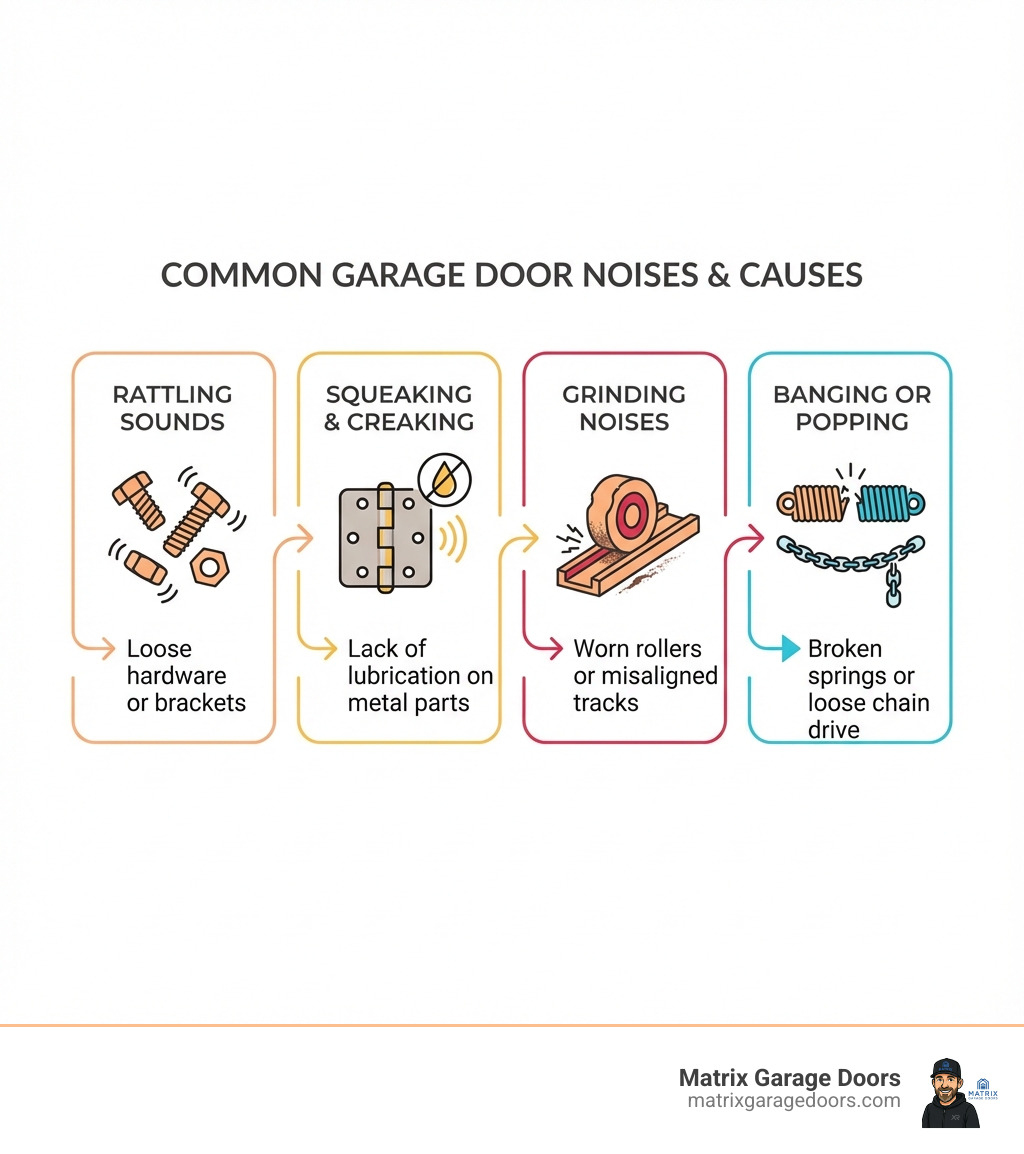
Before we dive into fixing that racket, let’s play detective. What exactly is your garage door trying to tell you? Different sounds often point to different problems. Common noises from garage doors include grinding, squealing, rattling, banging, clunking, and popping sounds. By identifying the specific type of noise, we can narrow down the potential culprits.
Here’s a quick guide to what your noisy garage door might be trying to communicate:
- Rattling sounds: This is often the sound of loose hardware. Nuts, bolts, and screws on hinges, brackets, or even the opener itself can vibrate and rattle when the door is in motion.
- Squeaking and creaking: These high-pitched complaints usually signal a lack of lubrication. Metal-on-metal contact, particularly on rollers, hinges, or springs, can dry out and start rubbing, causing friction.
- Grinding noises: A grinding sound typically points to something more serious, like worn rollers, misaligned tracks, or even issues within your garage door opener’s motor or gears. It’s a sign of components struggling to move smoothly.
- Popping or banging sounds: A sudden, loud bang that sounds like a car backfiring is almost always an indicator of a broken garage door spring, which is a serious issue. Popping might also come from a loose chain drive or other components under strain.
- Clunking or Thumping: These heavier sounds can suggest misaligned tracks, bent sections, or worn components that are catching or hitting each other during operation.
The most common causes of a noisy garage door include worn rollers, loose hardware, lack of lubrication, misaligned tracks, broken springs, or a faulty opener. Each of these can contribute to a symphony of unwanted sounds.
Identifying the Source of the Noise
To truly solve your noisy garage door fix, we need to pinpoint the exact location of the sound. This takes a bit of a methodical approach:
- Visual Inspection: Start by simply looking at your garage door system. With the door closed and the opener disconnected (pull the emergency release cord), slowly open and close the door manually. Watch the rollers, hinges, tracks, and springs. Do you see anything obviously loose, bent, or worn? Are there any signs of metal shavings or rust?
- Isolating the Noise: As you manually operate the door, try to listen carefully for where the sound originates. Is it coming from the top, bottom, sides, or the opener unit itself?
- Door vs. Opener Noise: If the door makes noise when operated manually, the issue is with the door’s components. If it’s only noisy when the opener is engaged, the problem might be with the opener’s motor, chain, or belt.
- Metal-on-Metal Contact: Many noises are caused by metal parts rubbing together without proper lubrication. Look for shiny spots or wear marks where components are grinding.
- Vibration: Sometimes the noise isn’t just friction, but vibration. Loose components can vibrate, causing rattling. An opener not securely mounted can also transmit vibrations through your garage’s structure.
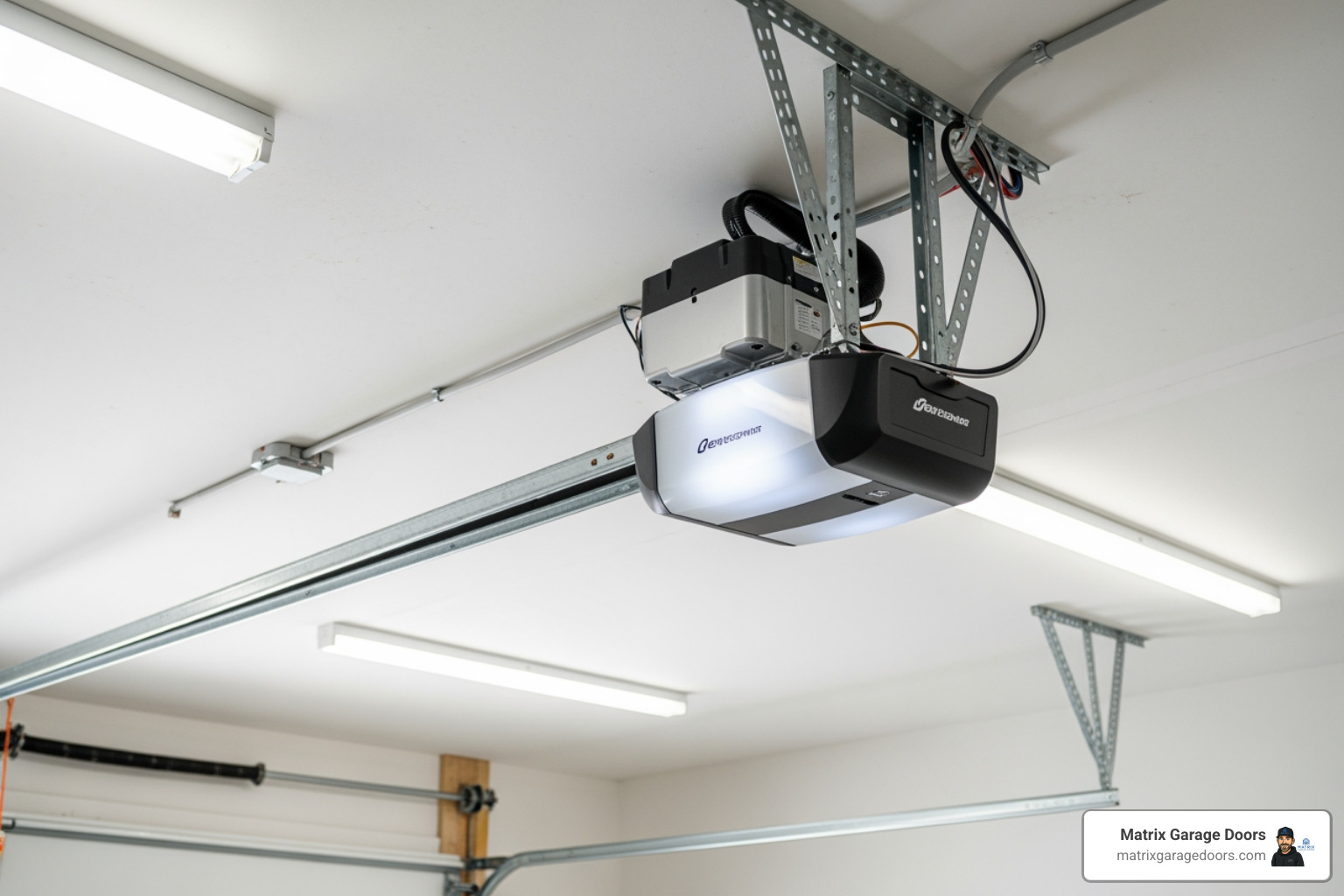
By systematically checking each part, we can narrow down the cause and get closer to a quiet, smoothly operating garage door.
Your Step-by-Step Noisy Garage Door Fix Guide
Now that we have an idea of what might be causing the noise, let’s get to work! Many minor noise issues can be resolved with some basic DIY steps. Before we start, let’s gather our tools and remember some crucial safety precautions.
Basic Tool List:
- Socket wrench set (deep sockets are helpful)
- Adjustable wrench
- Screwdriver set (Phillips and flathead)
- Silicone-based garage door lubricant or white lithium grease (spray form with a straw applicator is best)
- Clean rags
- Stiff brush or old toothbrush
- Ladder or sturdy step stool
Safety Precautions:
- Always work with the garage door closed: This minimizes tension on springs and cables.
- Disconnect the opener: Pull the emergency release cord to disengage the opener. This prevents accidental activation while you’re working.
- Never attempt to adjust or repair springs or cables: These components are under extreme tension and can cause severe injury if mishandled. If you suspect an issue with springs or cables, please call a professional.
- Wear safety glasses and gloves: Protect your eyes from debris and your hands from grease and sharp edges.
For more information on general garage door upkeep and common issues, you can always check out our resources on More info about garage door services and repairs.
Essential Lubrication: A Simple Noisy Garage Door Fix
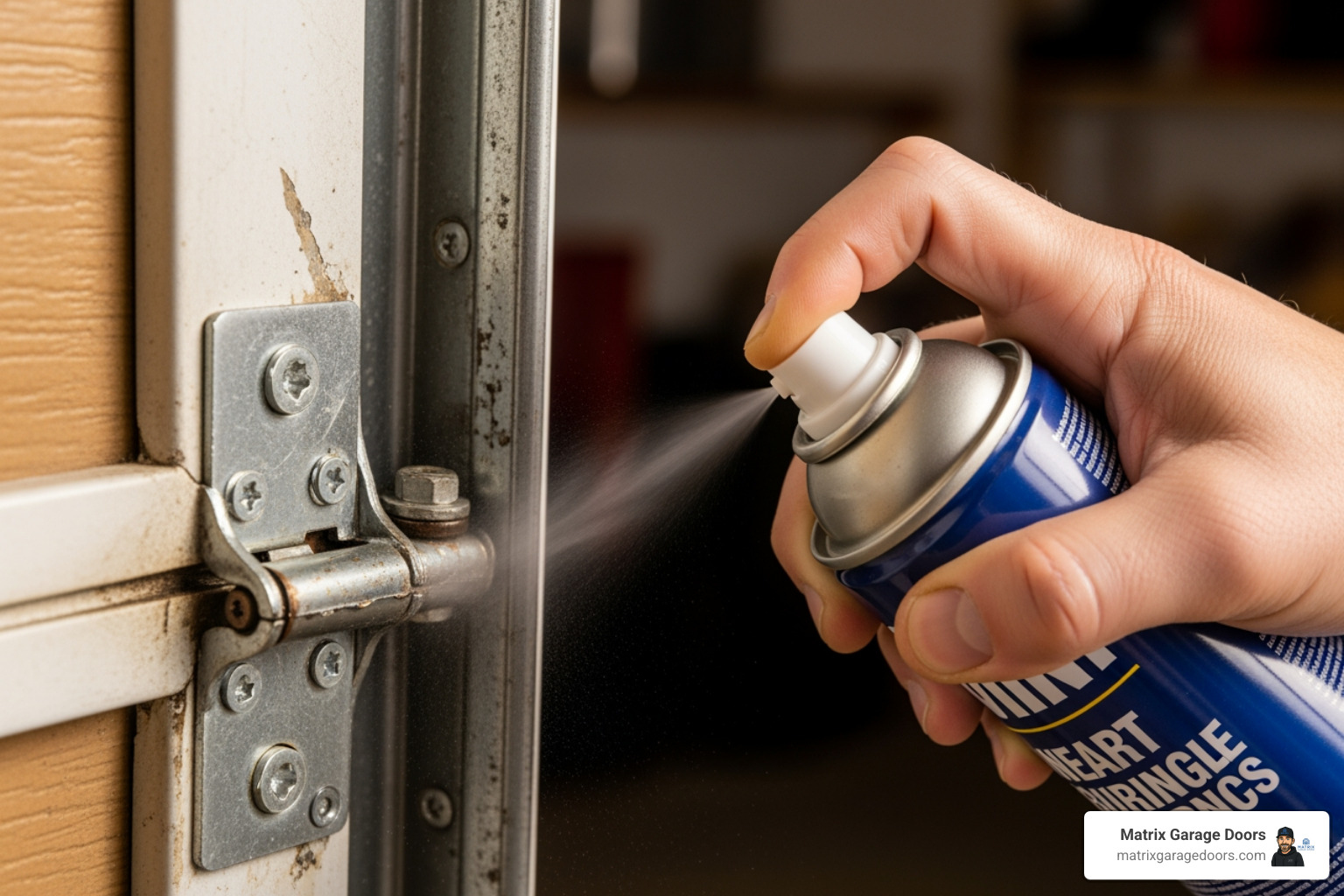
Lack of lubrication is a common cause of squeaking noises in garage doors. It’s often the simplest and most effective noisy garage door fix. Think of it like giving your door a good spa treatment!
Best Lubricants:
We recommend using a silicone-based spray or white lithium grease. These lubricants are designed for garage door components because they don’t attract dirt and debris, which can gum up moving parts. They also stand up to temperature fluctuations.
What to Avoid:
Please, for the love of quiet, avoid using WD-40 as a primary lubricant for your garage door. While it’s a great penetrant and water displacer, it’s not a true lubricant and can actually dry out components over time, attracting dust and making things worse. It should also not be used on anything with ball bearings. Common lubricants such as oil, grease, or spray lithium grease (the kind that stays wet and sticky) don’t penetrate as well and tend to pick up dust and grit.
How to Apply Lubricant:
- Clean First: Before applying new lubricant, use a clean rag and a stiff brush to wipe away any old grease, dirt, or grime from the components.
- Rollers: If you have metal rollers with exposed ball bearings, spray the lubricant directly into the bearings. Do not lubricate nylon or plastic rollers, as they are designed to be self-lubricating.
- Hinges: Spray each hinge at its pivot points. Open and close the door manually a few times to help the lubricant work its way in.
- Springs: For torsion springs (the large spring(s) mounted above the door) and extension springs (the springs running parallel to the tracks), spray them lightly. This helps reduce friction as they expand and contract.
- Bearings: Lubricate the center and end bearings that support the torsion bar.
- Opener Chain/Belt: If you have a chain-drive opener, lightly lubricate the chain. For screw-drive openers, grease the threads. Belt-drive openers generally don’t require lubrication.
- Tracks: Do NOT lubricate the tracks. Lubricant in the tracks will attract dirt and make the rollers stick. If your tracks seem dirty, simply wipe them clean with a rag.
We recommend lubricating all moving parts every six months to reduce wear and keep your door quiet. If your garage door opener itself is the main source of noise, you might find additional tips on silencing it from resources like How To Muffle a Noisy Garage-Door Opener.
Tighten Up Loose Nuts and Bolts
If your garage door sounds like a marching band of rattling skeletons, loose hardware is likely the culprit. Loose hardware like nuts, bolts, and screws can result in rattling, clanking, squeaking, creaking, and metal-on-metal sounds. This is another relatively easy noisy garage door fix.
How to Tighten Hardware:
- Inspect Everything: With the door closed and the opener disconnected, carefully inspect every nut, bolt, and screw on your garage door. Pay close attention to:
- Hinges: The bolts securing the hinges to the door panels.
- Track Brackets: The bolts that secure the vertical and horizontal track sections to the wall and ceiling.
- Opener Mounting Brackets: The hardware holding your garage door opener to the ceiling.
- Tighten Gently: Using a socket wrench and appropriate sockets, gently snug up any loose hardware.
- Do not overtighten! Overtightening can strip screw holes, damage the door panels, or cause stress points that lead to cracking. Just get them firm and secure.
- For hinges, ensure they are flush against the door.
- Check for Wear: While tightening, also look for signs of wear around the hardware. If a bolt hole appears oblong or enlarged, it might indicate that the hinge or bracket is worn and needs replacement.
This simple step can make a significant difference in reducing rattles and clanking.
Inspect and Adjust Rollers, Hinges, and Tracks
These three components are critical for smooth door operation, and wear or misalignment here can cause a variety of disruptive noises.
Rollers:
Worn or damaged rollers can lead to squeaking, grinding, scraping, rattling, shaking, and jerky movements.
- Inspection: Manually open and close your garage door while observing the rollers. Are they cracked, chipped, or wobbly? Do they roll smoothly in the tracks, or do they slide or bind? If the rollers have exposed bearings, are they rusted or dirty?
- Replacement: If your rollers are severely worn, cracked, or chipped, it’s time to replace them. We highly recommend upgrading to nylon rollers with sealed ball bearings. These are significantly quieter and more durable than standard metal rollers. Most garage doors have about five or six rollers on each side. If you have torsion springs (the large spring tube above the door), the rollers in the bottom brackets are under constant spring tension and should only be replaced by a professional to avoid serious injury.
- Cleaning: Even if they’re not worn, dirty rollers can cause noise. Clean any accumulated grime from the roller stems and wheels.
Hinges:
Worn hinges can cause significant noise and affect the door’s movement.
- Inspection: Look for signs of wear where the hinge pin connects to the bracket. Do you see an oblong hole or excessive play? Are there metal filings or gray dust around the hinge pin? These are all indicators that your hinges are worn and should be replaced. Worn hinges can cause binding and damage to door section joints.
- Replacement: If hinges show significant wear, replacing them can greatly reduce noise and improve door operation.
Tracks:
Bent or misaligned tracks can cause screeching, scraping, thumping, banging, rattling, vibrating, jerking, or sticking.
- Inspection: Stand inside your garage and look up at the tracks. Are they parallel to each other? Are they perfectly vertical and horizontal? Are there any visible bends, crimps, or dents? Are the tracks clean and free of debris?
- Cleaning: Use a stiff brush and a rag to clean any dirt, leaves, spiderwebs, or debris from inside the tracks. Even small obstructions can cause rollers to catch and create noise.
- Adjustment: Minor track misalignment can sometimes be fixed by loosening the mounting brackets (not the bolts holding the track sections together!) and gently tapping the track back into position with a rubber mallet. Ensure the tracks are parallel and equidistant from the door panels. Then, retighten the mounting brackets securely. However, significant bends or complex misalignments are best left to a professional.
For more detailed information on garage door maintenance and when to seek professional help for repairs, visit our More info about garage door repair page.
When to Call a Professional vs. DIY
While we encourage homeowners to tackle simple maintenance tasks like lubrication and tightening, there are critical situations where calling a professional is not just recommended, but essential for safety and effective repair.
Safety First:
Garage doors are heavy and operate under immense tension, especially from the springs and cables. These high-tension components can cause serious injury or even death if mishandled. It’s simply not worth the risk for a DIY attempt.
Signs You Need a Pro:
- Persistent noise after DIY fixes: If you’ve lubricated and tightened everything, and the door is still making strange noises, it indicates a deeper, more complex issue.
- Unbalanced door: If your door is difficult to open manually, or it doesn’t stay put when partially open, it’s unbalanced. This usually points to spring issues.
- Loud bangs: As mentioned, a loud bang often means a broken spring.
- Grinding from the opener motor: This suggests internal damage to the opener.
- Uneven movement or the door reversing unexpectedly: These can be signs of serious problems with springs, cables, tracks, or the opener’s safety mechanisms.
| DIY Tasks (Safe for Homeowners) | Professional-Only Tasks (High Risk) |
|---|---|
| Lubricating rollers, hinges, springs | Spring replacement or adjustment |
| Tightening loose nuts, bolts, screws | Cable repair or replacement |
| Cleaning tracks | Major track realignment or replacement |
| Minor track debris removal | Opener motor repair/replacement |
| Replacing worn rollers (not bottom) | Replacing bottom rollers (with torsion springs) |
| Replacing worn hinges |
The Dangers of Springs and Cables
If you hear a sudden, loud bang that sounds like a firecracker or a car backfiring, it’s almost certainly a broken garage door spring. Worn garage door springs can cause squeaking, squealing, grinding, popping, loud bangs, rattling, or vibration. Springs are under extreme tension, and when they break, they release a tremendous amount of energy. Attempting to replace or adjust them yourself is incredibly dangerous and can lead to severe injury.
Similarly, frayed or broken garage door cables are a serious hazard. Broken or loose garage door cables can lead to scraping, clanking, rattling, uneven movement, and misalignment. These cables hold the immense weight of the door. If a cable snaps while the door is open, it can come crashing down. If both cables break, the door will not move at all.
Our team at Matrix Garage Doors is highly trained and experienced in safely handling these critical components. When it comes to springs and cables, your safety is our top priority. If you’re in the Columbus, OH area and suspect issues with these parts, please don’t hesitate to call us. We offer expert More info about garage door repair in Columbus, OH and can address these dangerous issues quickly and safely.
When a Noisy Garage Door Fix Requires a Professional
Sometimes, the noise isn’t just an annoyance; it’s a symptom of a larger problem that needs expert attention. Here are scenarios where a professional noisy garage door fix is essential:
- Grinding Opener Motor: If the grinding sound is coming from your garage door opener, it could indicate worn gears, a failing motor, or other internal damage. A malfunctioning opener can eventually stop working entirely, leaving your vehicle trapped.
- Uneven Movement: If your door moves unevenly, jerks, or appears to be struggling, it could be due to damaged cables, an unbalanced door (spring issue), or severe track problems. This puts undue strain on the entire system and can lead to further damage.
- Door Reverses Unexpectedly: This is a safety mechanism, but if it’s happening without an obstruction, it can signal problems with your safety sensors, travel limits, or opener logic board.
- Door is Off-Track: If one or both sides of your garage door have come out of the tracks, do not attempt to force it back. This can cause significant damage to the door panels, tracks, and rollers. An off-track door needs careful realignment by a professional.
- Noise Persists After DIY: If you’ve gone through all the lubrication and tightening steps, and the noise is still there (or worse!), it’s time to call in the cavalry. Your door is trying to tell you something more complex is at play.
The benefits of professional garage door maintenance and repair for noise reduction are significant. Our technicians can provide expert diagnosis, identify underlying issues you might miss, and use the proper tools and parts for a lasting solution. We ensure your door operates safely and efficiently. For more comprehensive guidance, you can refer to resources like How to Fix a Noisy Garage Door.
Proactive Care: How to Prevent Future Garage Door Noise
Regular maintenance is key to preventing those annoying noises from returning.
Regular Maintenance Schedule:
- Quarterly Checks (Every 3 Months):
- Visually inspect all hardware (hinges, brackets, rollers) for looseness or wear.
- Lubricate all moving metal parts (rollers, hinges, springs, bearings) as outlined above.
- Clean the tracks of any debris.
- Test the door’s balance (disengage the opener and manually lift the door halfway; it should stay put).
- Check the safety sensors to ensure they’re clean and aligned.
- Annual Professional Tune-Up:
- We recommend scheduling a professional garage door tune-up at least once a year. Our technicians can spot issues you might miss, make fine adjustments, and ensure all components are working optimally. This includes checking spring tension, opener force settings, and overall system calibration.
Following these maintenance steps can significantly extend the life of your garage door and keep it operating smoothly and silently. For more tips on keeping your door in top shape, check out our More info about garage door maintenance tips.
Upgrades for a Quieter Garage Door
If you’re looking to take your garage door’s quiet operation to the next level, or if you’re installing a new door, consider these upgrades:
- Nylon Rollers with Sealed Bearings: This is one of the most impactful upgrades for noise reduction. Nylon rollers are inherently quieter than metal rollers, and sealed ball bearings require less maintenance and run smoother.
- Belt-Drive Openers vs. Chain-Drive Openers: Chain-drive openers, while robust, are notoriously noisy. Belt-drive openers use a rubber belt instead of a metal chain, making them significantly quieter. If your chain-drive opener is driving you crazy, a belt-drive model is a fantastic upgrade.
- Insulated Garage Doors: Insulated doors generally operate more quietly than non-insulated ones. The added layers of material dampen sound, both from the door’s operation and external noise. If your garage is attached to your home, an insulated door can also significantly reduce noise transmission into your living space.
- Vibration Isolators for the Opener: If your opener’s motor is securely mounted but still transmits vibration noise through the ceiling, consider installing an opener isolator kit. These kits use rubber pads or specialized hangers to absorb vibrations, preventing them from traveling into your home’s structure.
Considering a new, quieter garage door? We can help you explore options for More info about new garage door installation that will bring peace and quiet to your home.
Frequently Asked Questions about Quieting a Garage Door
What is the best lubricant for a noisy garage door?
The best lubricants for a noisy garage door are silicone-based spray or white lithium grease. These lubricants are ideal because they don’t attract dirt and debris, which can gum up moving parts and lead to more noise. Apply them to all moving metal parts like rollers (if they have exposed bearings), hinges, and springs. Remember to avoid lubricating the tracks themselves, as this will only attract grime.
Are some garage doors naturally louder than others?
Yes, absolutely! Certain types of garage doors and openers are inherently noisier. For instance, uninsulated, single-layer steel doors tend to be louder because they offer little sound dampening. In contrast, insulated garage doors, with their multi-layered construction, are much better at absorbing sound and operating more quietly. Similarly, chain-drive garage door openers are generally noisier than their belt-drive counterparts, which use a rubber belt for smoother, quieter operation.
What are the risks of ignoring a noisy garage door?
Ignoring a noisy garage door is like ignoring a small crack in your windshield—it’s only going to get worse! A small noise can be an early warning for a major failure. Ignoring it can lead to several risks:
- More Expensive Repairs: A minor issue left unaddressed can escalate into a complex and costly repair. For example, a worn roller can damage the track, or a struggling opener can burn out its motor.
- Complete Breakdown: Your door could get stuck halfway, leaving your car trapped inside or your home exposed.
- Safety Hazards: The most serious risk. Components like springs and cables are under extreme tension. If they fail due to neglect, they can cause the heavy garage door to fall unexpectedly, leading to severe injury or property damage.
- Reduced Lifespan: Regular maintenance and addressing noises promptly can significantly extend the life of your garage door system. Ignoring them will shorten it.
Your Partner for a Quiet and Reliable Garage Door
We’ve covered a lot of ground in our quest for a quiet garage door! From diagnosing the specific sounds to understanding essential DIY fixes like lubrication and tightening hardware, you’re now equipped with the knowledge to tackle many common noise issues. We’ve also highlighted the critical importance of safety, especially when dealing with high-tension components like springs and cables, which always require professional attention.
At Matrix Garage Doors, we understand that a noisy garage door is more than just an inconvenience—it can be a sign of underlying problems that affect your home’s safety and security. With two decades of experience serving the Columbus, OH area, including Bexley, Blacklick, Canal Winchester, Dublin, Etna, Galena, Grandview Heights, Grove City, Groveport, Hilliard, New Albany, Pickerington, Powell, Reynoldsburg, Upper Arlington, Westerville, and Worthington, we’re your trusted partner for all garage door needs. Our family-owned company offers 24/7 emergency residential garage door repair, installation, and maintenance, guaranteeing prompt, professional service and complete customer satisfaction.
Don’t let that racket continue to disrupt your peace. Whether it’s a simple fix you’d like us to handle or a complex issue requiring expert intervention, our experienced team is ready to ensure your garage door operates safely, smoothly, and silently. Schedule your garage door service today!